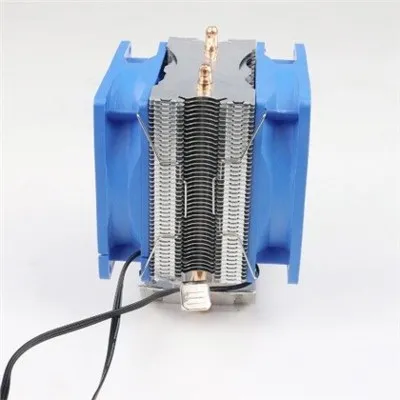
Основно познавање дизајна топлотних цеви
Разматрања у дизајну топлотних цеви
Heat pipes are widely used in current thermal dissipation design, including our common laptops and mobile phones. The following factors need to be considered in the design of heat pipe:
хеатпипе Кмак или извор топлоте.
радна температура.
бакарни материјал.
радни флуид .
Вицк Струцтуре.
Дужина и пречник топлотне цеви.
површина контакта са топлотом.
контактна површина кондензатора.
смер гравитације.
Утицај савијања и равности топлотних цеви.
What materials can be used to construct heat pipes?
Heat pipe is mostly metal seamless steel pipe, and different materials can be used according to different needs,such as copper, aluminum, carbon steel, stainless steel, alloy steel, etc. The pipe can be standard round or special-shaped.such as oval, square, rectangular, flat, corrugated pipe, etc. The pipe diameter range from 2mm to 200mm or even larger. The length can range from a few millimeters to more than 100 meters. Copper and aluminum are mostly used as raw materials in most design solutions. Non ferrous metals are used as pipes mainly to meet the requirements of compatibility with working fluid.
Шта је структура фитиља? Како то утиче на перформансе топлотних цеви?
Структура жлебова: Капиларна граница је најнижа, али ефекат је најбољи када се кондензатор налази изнад испаривача.
Mesh structure: It has the most uniform cotton core,and its working principle is evaporator is located above the condenser.
Синтерована структура: перформансе су најбоље у правцу гравитације. Пошто је језгро од синтерованог праха од метала везано за зид цеви кроз метал, његова проводљивост топлоте од зида цеви до језгра или обрнуто је најбоља од четири уобичајена језгра.

Како дужина и пречник топлотне цеви утичу на перформансе?
The steam pressure difference between condenser and evaporator determines the rate of steam propagation between condenser and evaporator. In addition, the diameter and length of heat pipe will affect the steam transmission speed, so it must be considered in the design of heat pipe.


Како оријентација утиче на перформансе топлотних цеви?
The structure with high capillary limit can overcome gravity and transfer more working fluid from the condenser to the evaporator. However, as mentioned earlier, the sintered powder metal core heat absorber with the highest capillary limit works best under gravity assisted conditions (the evaporator is above the condenser), see below pictures about the gravity orientation to heatpipe performance.

How does heat pipe bending affect performance?
If the heat pipe is bent too tight, the wick may crack (powder metal sintering) or collapse and be clamped (wire mesh). Therefore, the bending of the heat pipe may reduce the heat that can be transmitted. The experimental results show that if the bending radius is equal to or greater than 3 times of the heat pipe diameter , the bending will not affect the performance obviously.

How does flatteningaffect the performance of heat pipe?
If the heat pipe is flattened, the thickness of the heat pipe will be reduced. Therefore, excessive flattening of the heat pipe will reduce the heat that can be transmitted and even completely block the passage of steam. The experimental results show that proper flattening will not affect the performance, but excessive flattening will affect the performance. If the thickness of the steam channel after flattening is greater than 2mm, the performance will not be reduced compared with the circular pipe.

How does the heat pipe working temperature affect the performance ?
The working temperature of heat pipe will affect the performance of heat pipe. The higher the temperature, the better the performance to a certain extent. This is due to the lower viscosity of the working fluid at higher temperatures, which allows more working fluid to flow from the evaporator to the oil core through the condenser. At higher temperatures, the working fluid can also become more volatile into a gaseous state.

Does heat pipe reliable ?
The heat pipe has no moving parts and has very high reliability. However, must be careful in the design and manufacture of heat pipes. Two manufacturing factors will reduce the reliability of heat pipe: tightness and cleanliness. Any leakage in the heat pipe will eventually cause the heat pipe to fail. Some external factors may also shorten the life of heat pipes, such as drop, vibration, force impact, thermal shock and corrosive environment.